In snow-heavy locations around Flagstaff, HOA roofing guidelines aim to protect the unique character of mountain neighborhoods while ensuring homes meet modern safety standards. Whether you live in a planned community or a historic district, anticipating these regulations can help you avoid costly violations and protect your property.
Below, Polaris Roofing Systems shares some examples of local roofing compliance rules and how professional recommendations help.
Common HOA Roofing Regulations in Flagstaff
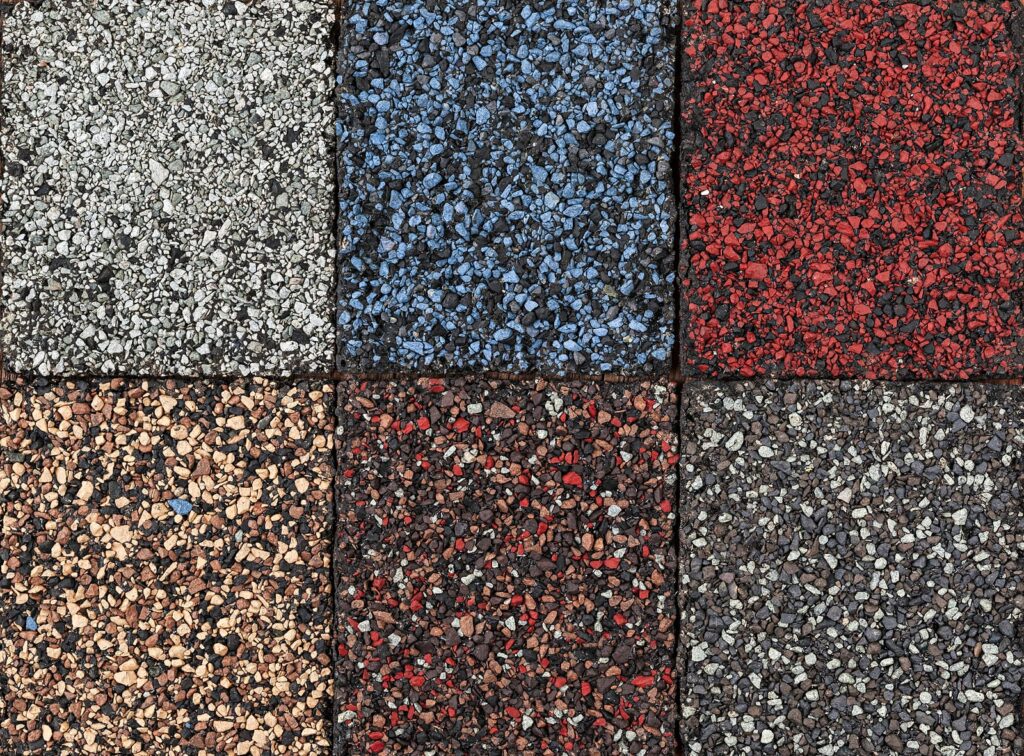
HOA roofing regulations in Flagstaff vary significantly from community to community. Some associations focus primarily on material choices, while others regulate roof colors, styles, and installation timelines.
Many Flagstaff HOAs require homeowners to submit detailed applications before starting any roof work. You must typically provide contractor information, material samples, and project timelines to an architectural review board to ensure they align with community roof standards. Approval times in Flagstaff can range from two weeks to several months, depending on your association’s schedule and the complexity of your project.
Approved Roofing Materials for Mountain Communities

Community roof standards in Flagstaff typically favor materials that withstand heavy snow loads and high winds. Metal roofing has become increasingly popular because it sheds snow effectively and lasts for decades in tough mountain conditions. Asphalt shingles remain a common choice, though many associations require architectural-grade products rather than basic three-tab shingles.
Flagstaff HOA roofing guidelines often include specifications for approved roofing materials. Common examples you might see in these agreements include:
- Class A fire-rated metal panels in earth tones
- Dimensional asphalt shingles with a minimum 30-year warranty
- Concrete or clay tiles that complement mountain architecture
- Synthetic slate or shake products in natural colors
Areas like University Heights and Cheshire may specify darker colors so that the roof blends in with its pine forest surroundings. It’s helpful to request your association’s current material list before consulting with contractors.
Historic District Roofing Compliance Rules in Flagstaff

Downtown Historic District properties may face additional regulations beyond the standard Flagstaff HOA roofing guidelines. The city’s historic preservation office generally reviews projects in this area to ensure they maintain architectural integrity.
You cannot simply choose any modern roofing product or installation method for a historic home’s rooftop. Local roofing compliance rules tend to prioritize authentic materials and traditional installation methods, with a strict review process to assess how your proposal aligns with the original construction period. For instance, wood shakes might be appropriate for certain Victorian homes, while others require specific metal profiles from a different era.
The Architectural Review Board Process for Flagstaff Communities
The area’s architectural review board dictates the roof replacement guidelines in most Flagstaff communities. These volunteer boards will evaluate submissions based on established community standards, including the HOA’s aesthetic goals. You could strengthen your application by including professional documentation and showing how your choices benefit your neighborhood.
Working with experienced contractors who are familiar with local requirements can also streamline approvals. Typical Flagstaff HOA roofing guidelines restrict certain color palettes to ensure the property harmonizes with the landscape. Communities may give instant approvals for browns, grays, greens, and tans, while bright or reflective colors don’t cut it.
Professionals like Polaris Roofing Systems can help you review low-profile designs that do not dramatically alter your roofline. They’ll also walk you through various style options to guide your decision.
Choose Compliant and Beautiful Roofing in Flagstaff With Expert Help
Complying with Flagstaff HOA roofing guidelines can protect your investment and preserve your neighborhood’s character. From University Heights to Downtown Historic District properties, these regulations ensure mountain communities maintain their distinctive appeal while incorporating quality roofing systems. For help from a team that understands these local requirements and works directly with local boards, contact Polaris Roofing Systems at (928) 699-4840.